Interior Selective Demolition In Detroit MI
Interior selective demolition in Detroit, MI, is reshaping the landscape of city revival. This approach allows for the mindful elimination of non-structural parts, preserving the character of historic buildings. It promotes and supplies financial advantages sustainability via product reuse. A number of effective jobs illustrate its potential. The effects of this approach prolong beyond plain appearances. Recognizing the wider effect on the neighborhood and atmosphere raises important questions for Detroit's future.
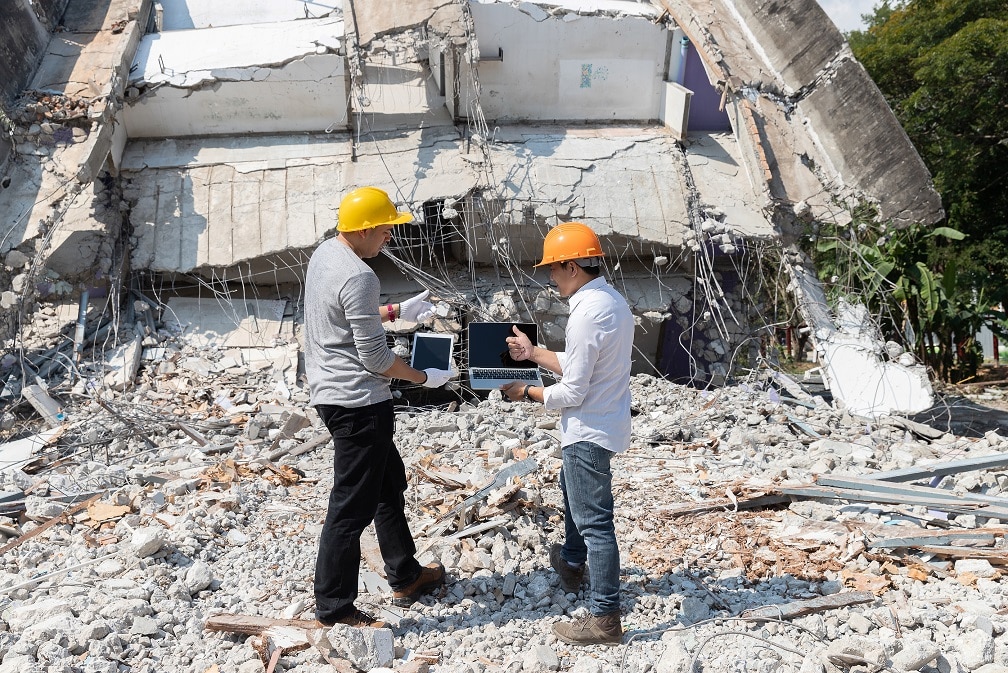
The Benefits of Interior Selective Demolition
Interior selective demolition provides countless benefits for residential or commercial property owners and developers in Detroit, MI. This process enables particular elimination of non-structural aspects, such as walls, components, and flooring, without compromising the stability of the overall structure. By targeting just the areas that need renovation, homeowner can save time and lower costs associated with complete demolition.
Additionally, selective demolition promotes sustainability by enabling the salvage and recycling of products, thereby lessening waste. This eco mindful method lines up with the expanding fad of green construction methods. Selective demolition can help with quicker job timelines, as it normally entails much less disturbance to bordering locations contrasted to considerable demolition efforts.
Eventually, the critical execution of indoor selective demolition improves the effectiveness of restoration tasks, causing boosted capability and visual charm for existing homes in Detroit's evolving urban landscape. (legendary demolition detroit reviews)
Key Considerations for Selective Demolition Projects
When intending a careful demolition project, a number of crucial considerations must be resolved to ensure its success. To start with, thorough assessments of the existing framework are necessary to identify products that require elimination and those that must be preserved. Recognizing regulative requirements, consisting of licenses and safety codes, is fundamental to make certain compliance and stay clear of legal issues.
In addition, developing a thorough strategy that outlines the range of job, timelines, and spending plan is crucial for reliable job monitoring. Engaging seasoned experts can mitigate dangers associated with unsafe materials, such as asbestos or lead.

The Process of Selective Demolition Explained
Selective demolition includes a systematic technique that prioritizes the careful elimination of specific structural aspects while maintaining the integrity of the surrounding atmosphere. The procedure begins with a comprehensive evaluation of the website, recognizing which components need to be eliminated and which must be kept. Following this evaluation, an in-depth demolition strategy is created, outlining safety actions and waste management techniques.
When the plan is in location, the demolition team prepares the website by ensuring and securing necessary licenses that energies are detached. The actual demolition process employs specialized techniques and tools to dismantle targeted frameworks, such as walls, fixtures, and ceilings, lessening waste and noise. Throughout the procedure, careful surveillance is performed to attend to any unpredicted challenges. Finally, the site is cleansed up, with recyclable products sorted and hazardous waste thrown away suitably, guaranteeing that the surrounding environment continues to be undisturbed and safe for future use.
Instance Researches: Successful Jobs in Detroit
Effective jobs in Detroit highlight the performance of selective demolition in rejuvenating city rooms. One noteworthy instance involved the makeover of a former commercial site right into a vivid mixed-use development. Selective demolition permitted for the careful removal of unsafe products while preserving structural aspects, enabling the integration of contemporary services with historical imp source style.
Another job included the repurposing of an old warehouse into a neighborhood arts facility. The selective strategy helped with the extraction of non-essential insides, developing open areas perfect for creative endeavors while preserving the building's character.
Furthermore, a household conversion showcased exactly how selective demolition can adapt outdated structures for contemporary living. By removing interior partitions and outdated systems, the task rejuvenated the building, promoting and attracting new citizens area involvement.
These examples highlight exactly how selective demolition not only improves safety and efficiency yet also contributes to Detroit's recurring city renewal efforts.
The Future of Selective Demolition in Urban Resurgence
An enhancing variety of metropolitan coordinators and developers are identifying the potential of selective demolition as a vital strategy for rejuvenating cities. This strategy my blog enables for the cautious elimination of certain interior elements, allowing the conservation of traditionally significant structures while including contemporary uses. As cities like Detroit grapple with aging facilities and a requirement for lasting growth, selective demolition offers a practical option to repurpose existing structures.
The future of selective demolition hinges on its assimilation with lasting methods. By reusing products and decreasing waste, cities can lower their ecological footprint while promoting economic growth (best demolition contractor in detroit). In addition, this technique promotes community interaction, as regional stakeholders commonly take part in the decision-making process concerning which structures to customize or preserve. As city revitalization initiatives gain momentum, selective demolition is likely to play a significantly crucial duty in shaping the landscapes of tomorrow's cities, blending background with technology
Often Asked Questions
What Allows Are Required for Interior Selective Demolition in Detroit?
A demolition permit is typically called for, together with any essential ecological authorizations, particularly if hazardous products exist. In addition, compliance with neighborhood building regulations and policies is essential for lawful and safe demolition techniques.
The length of time Does a Typical Selective Demolition Task Take?
A typical selective demolition task usually takes in between one to three weeks, depending on the task's size, intricacy, and the extent of the job called for. Elements such as website problems and permitting may likewise affect the timeline.
Are There Certain Safety Rules for Selective Demolition?

What Kinds Of Materials Can Be Salvaged During Demolition?
Various materials can be recovered during demolition, consisting of wood, metal, components, bricks, and concrete. Recyclable items improve sustainability by lowering waste, while offering possibilities for repurposing and reusing in new building and construction or restoration tasks.
How Much Does Interior Selective Demolition Typically Expense?
Commonly, indoor selective demolition costs range from $2 to $10 per square foot, depending upon variables such as project complexity, product kinds, and regional labor prices, affecting overall costs for both commercial and domestic residential or commercial properties.
Interior selective demolition in Detroit, MI, is improving the landscape of city renewal. Interior selective demolition provides various advantages for home proprietors and designers in Detroit, MI. When preparing a discerning demolition task, numerous vital factors to consider must be addressed to guarantee its success. Effective tasks in Detroit highlight the performance of selective demolition in renewing metropolitan areas. A typical selective demolition job normally takes between one to three weeks, depending on the project's dimension, intricacy, and the degree of the work needed.